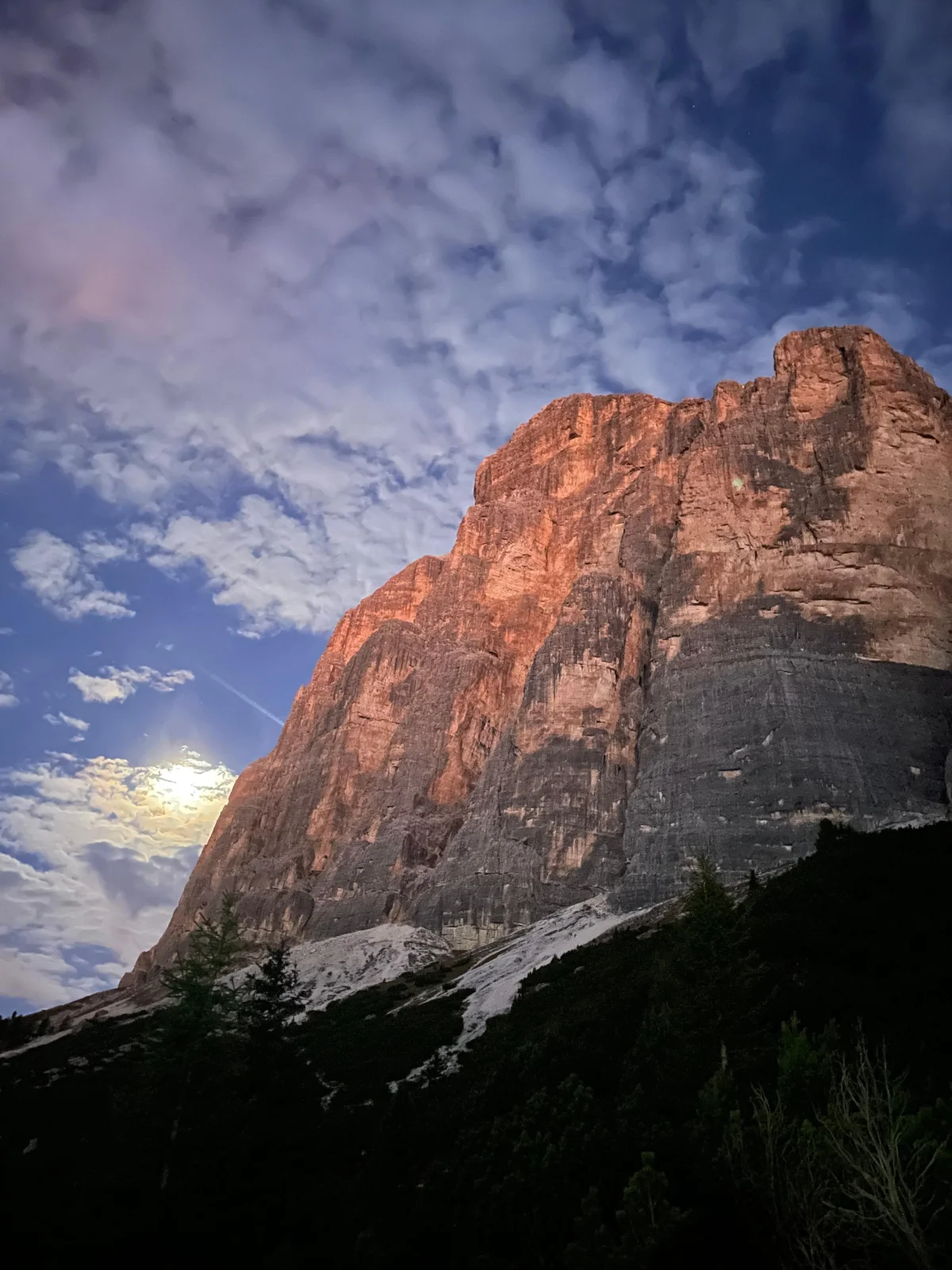
Two Days Off and 19 Pitches – Costantini-Apollonio on the Tofana di Rozes
One glorious autumn day after another, each one more beautiful than the last. And then my friend and I actually had two days off in a row. So we decided to drive to nearby Cortina d’Ampezzo and do a bit of climbing in the Dolomites.
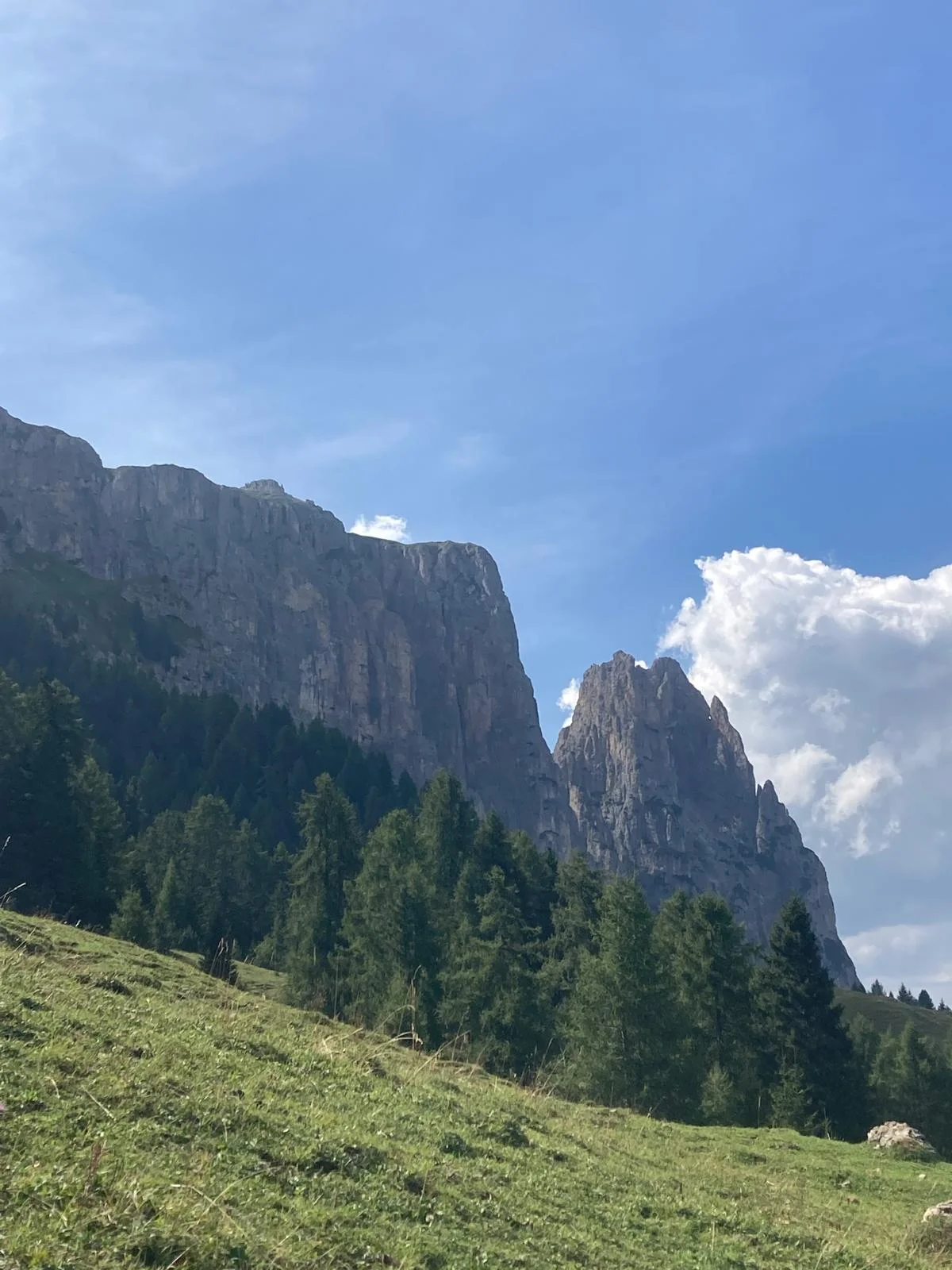
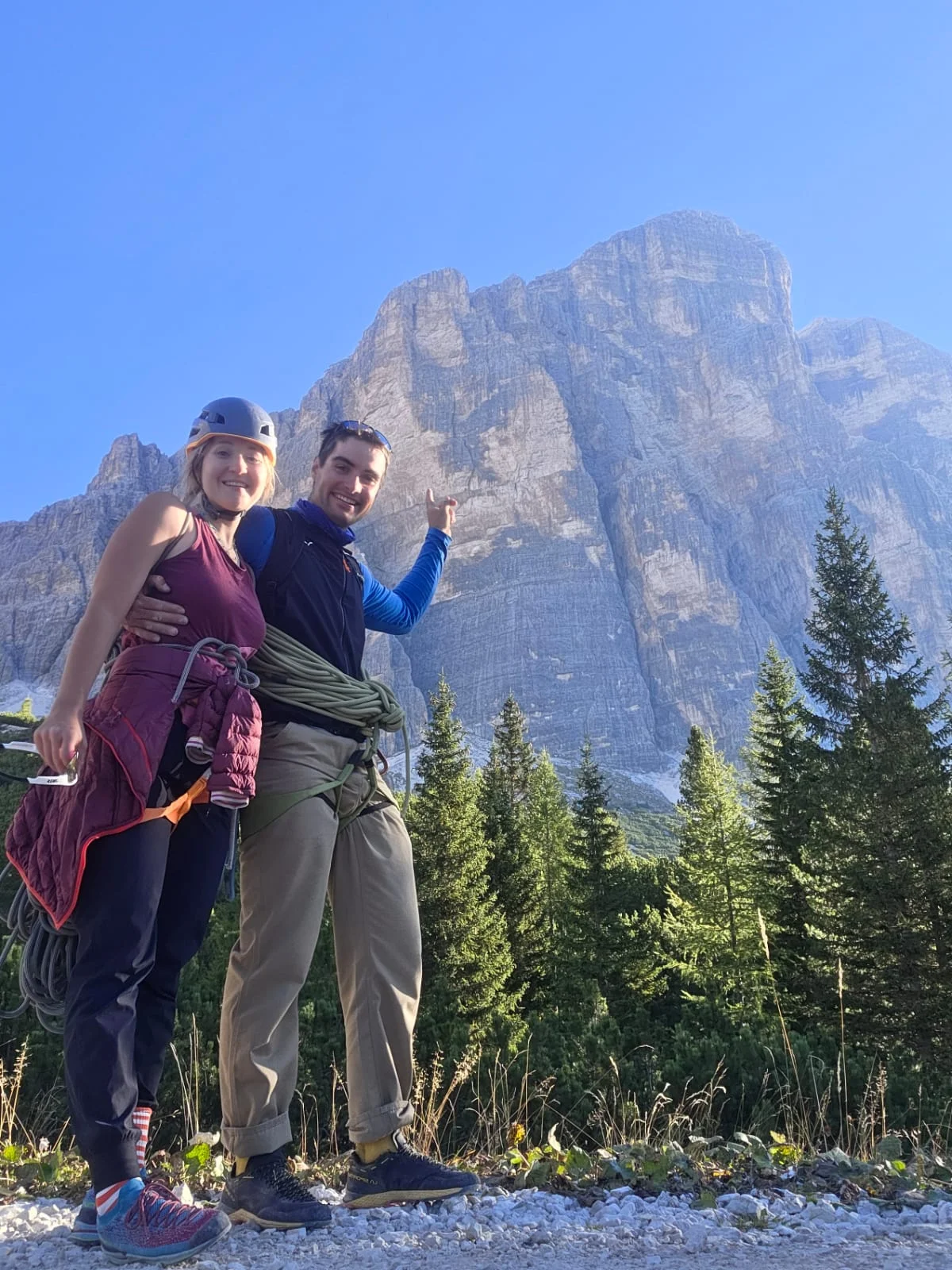
When it came to finding the perfect route, the drive up to the Passo Falzarego was really all it took: the massive south face of the Tofana di Rozes simply leaps out at you. Hardly any other wall in the area looks as steep, mighty and impressive as this one.
The day before, we did a short, well-protected route at the Falzarego Pass to get into the groove. Then we drove right up to the door of the rustic and beautiful Rifugio Dibona, where we spent the night.
The hut sits right at the foot of the south face of the Tofana di Rozes – perfect for gazing up in awe over dinner and studying the route for the next day.
Our goal: the Costantini-Apollonio up the mighty Pilastro.
With plenty of respect for the wall, we started packing our rucksacks for the next day that evening. In the car park we met a few parties who had climbed the route that day.
“That’s no 7+ – it’s a lot harder, and polished holds in the roofs are waiting for you. Not an easy route at all.”
Great.
Of course, we didn’t let the warnings stop us. Instead, we first tucked into the delicacies of the Rifugio Dibona – which, as everyone knows, is also an important part of preparing for a route.
We set off early the next morning. Our plan was clear: we wanted to be the first on the route. And that plan worked out perfectly. At sunrise we were standing at the foot of this mighty wall. Ahead of us lay 19 pitches in total, many of them at fairly consistently demanding grades.
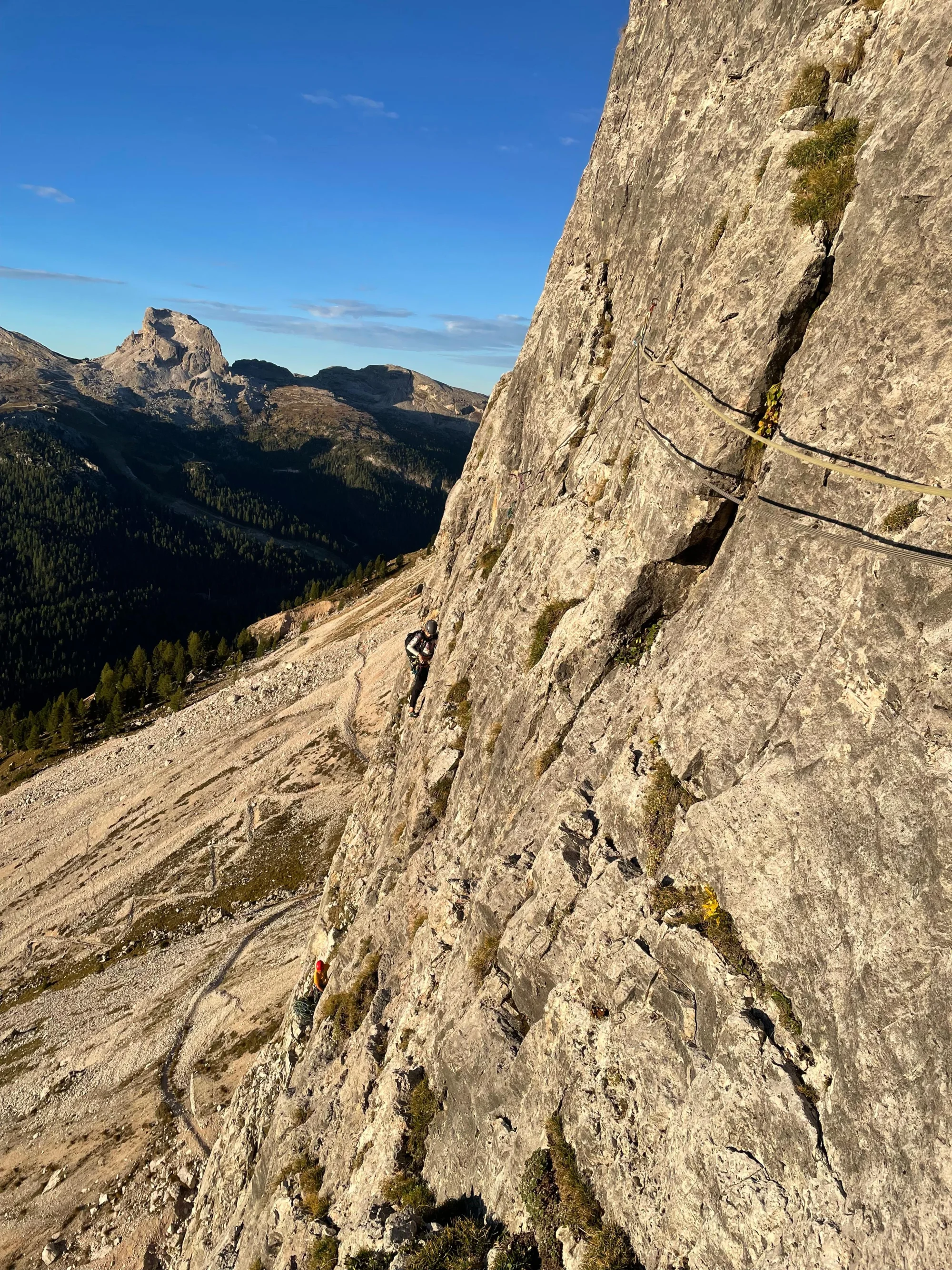
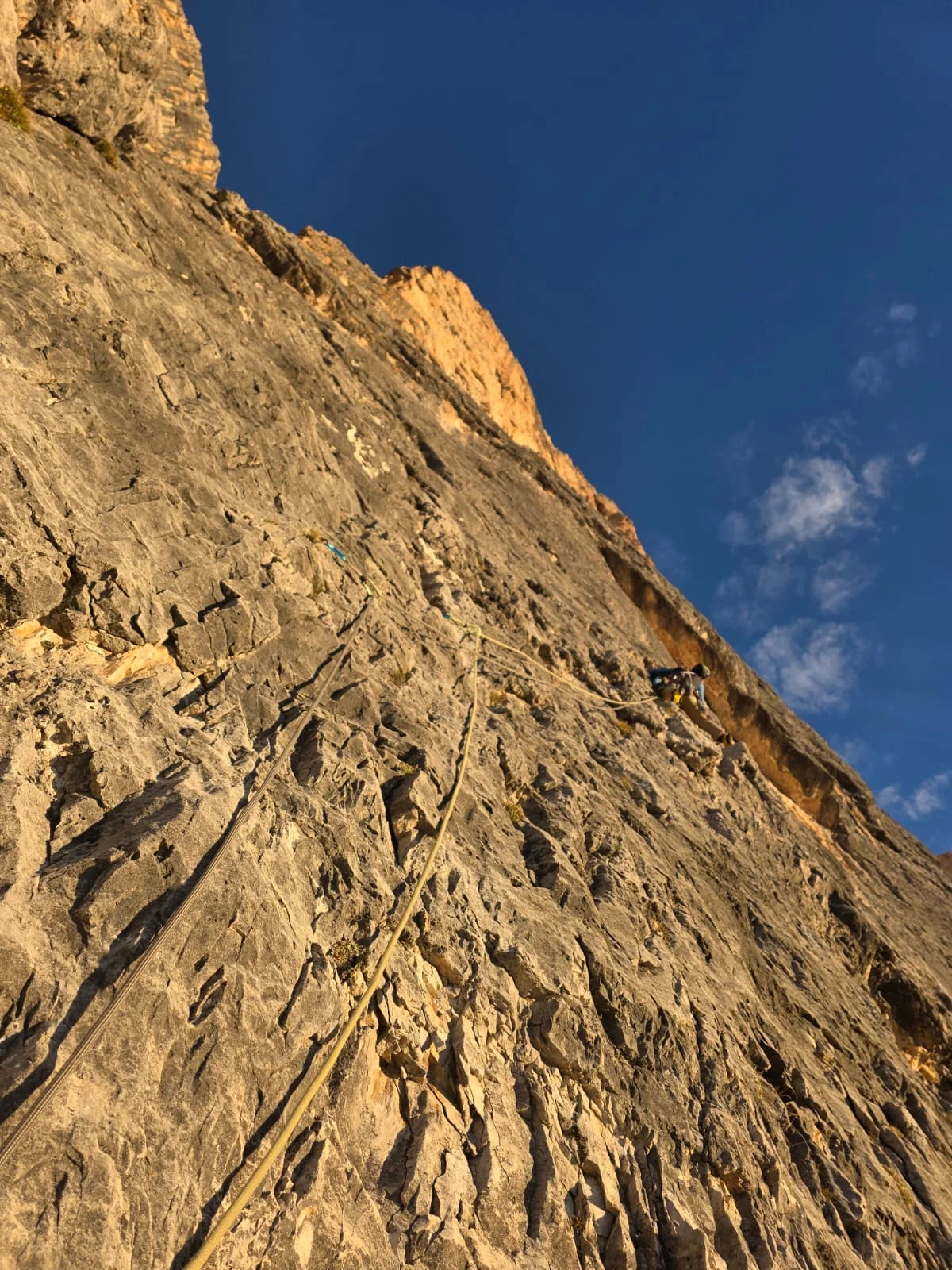
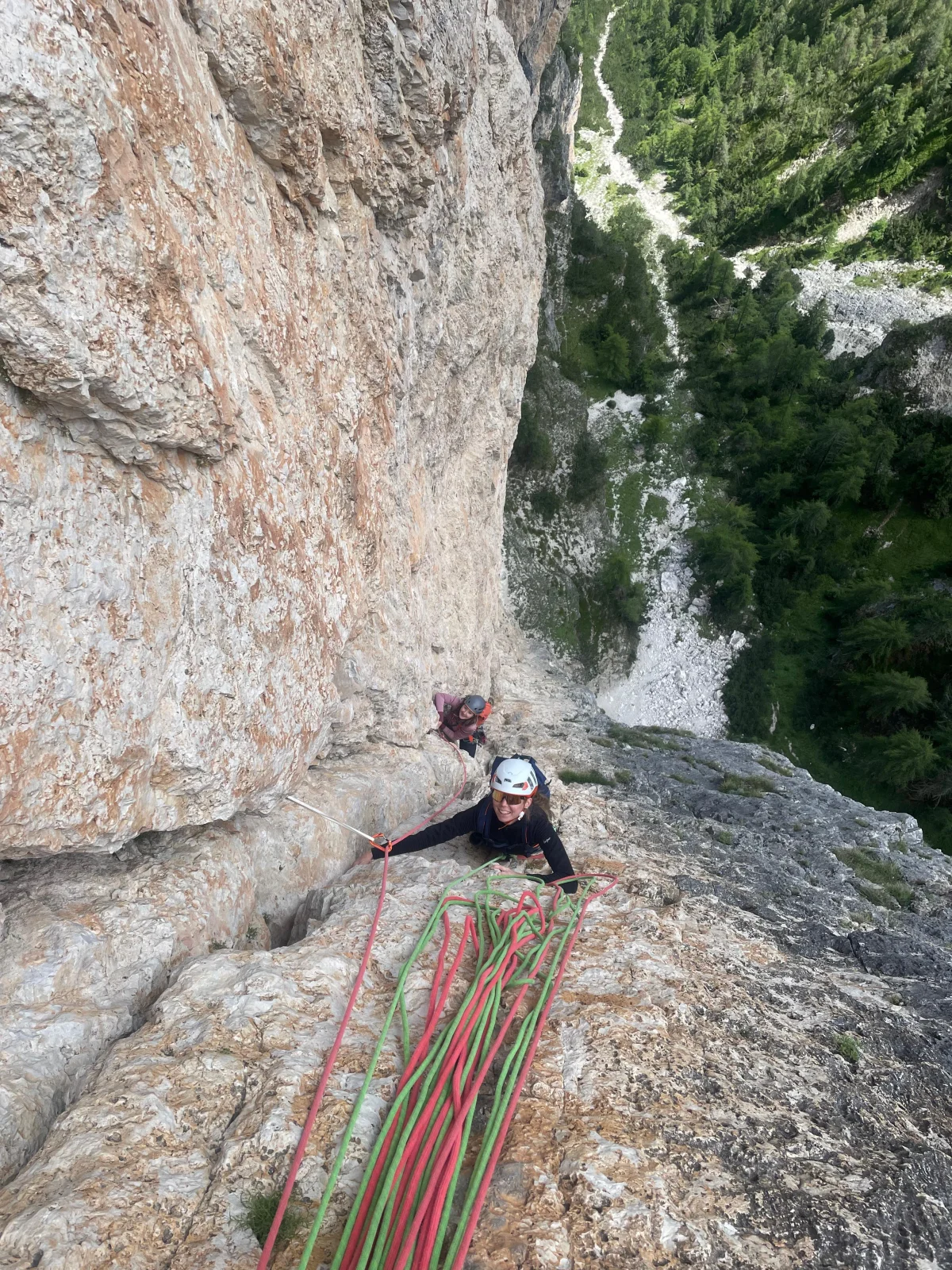
We reached the first belay with the first rays of sunshine – and shortly afterwards the next party arrived behind us: a Swiss team, Fredy and Urs. Two old mountain friends and obviously excellent climbers. They were two thoroughly pleasant guys, and throughout the day we kept sharing one belay or another with them. That gave us the chance to swap notes about the route, the alpine protection and the small and not-so-small challenges along the way.
At some point Urs explained to me that on routes like this, the leader usually doesn’t have much fun while climbing. But once you’re standing on the summit, looking back, you had fun after all.
A theory I could fully understand.
Part of the reason is the matter-of-fact runouts of seven or eight metres, the handful of rusty pitons you have to use for belays whether you like it or not, and the sometimes rather limited supply of good cam placements. But with Ludwig as my “rope gun”, to be honest, none of it felt that bad.
Pitch by pitch we climbed higher, until we finally stood below the famous grade 6 overhangs: a section with an almost horizontal roof and seriously polished holds. But lo and behold, the successors of the first ascensionists had evidently taken pity on us. Over the years, a solid bolt with a sling has been placed right there, so that even the amateurs among us can somehow fish their way up.
And, well – what can I say? On a wall like this you have to know how to help yourself and every now and then dig deep into your bag of tricks.
So the aider was ready for action in no time.
After the first roof came a long and demanding pitch – very heavy on the arms, as our Swiss friends also found. That reassured me a little, at least.
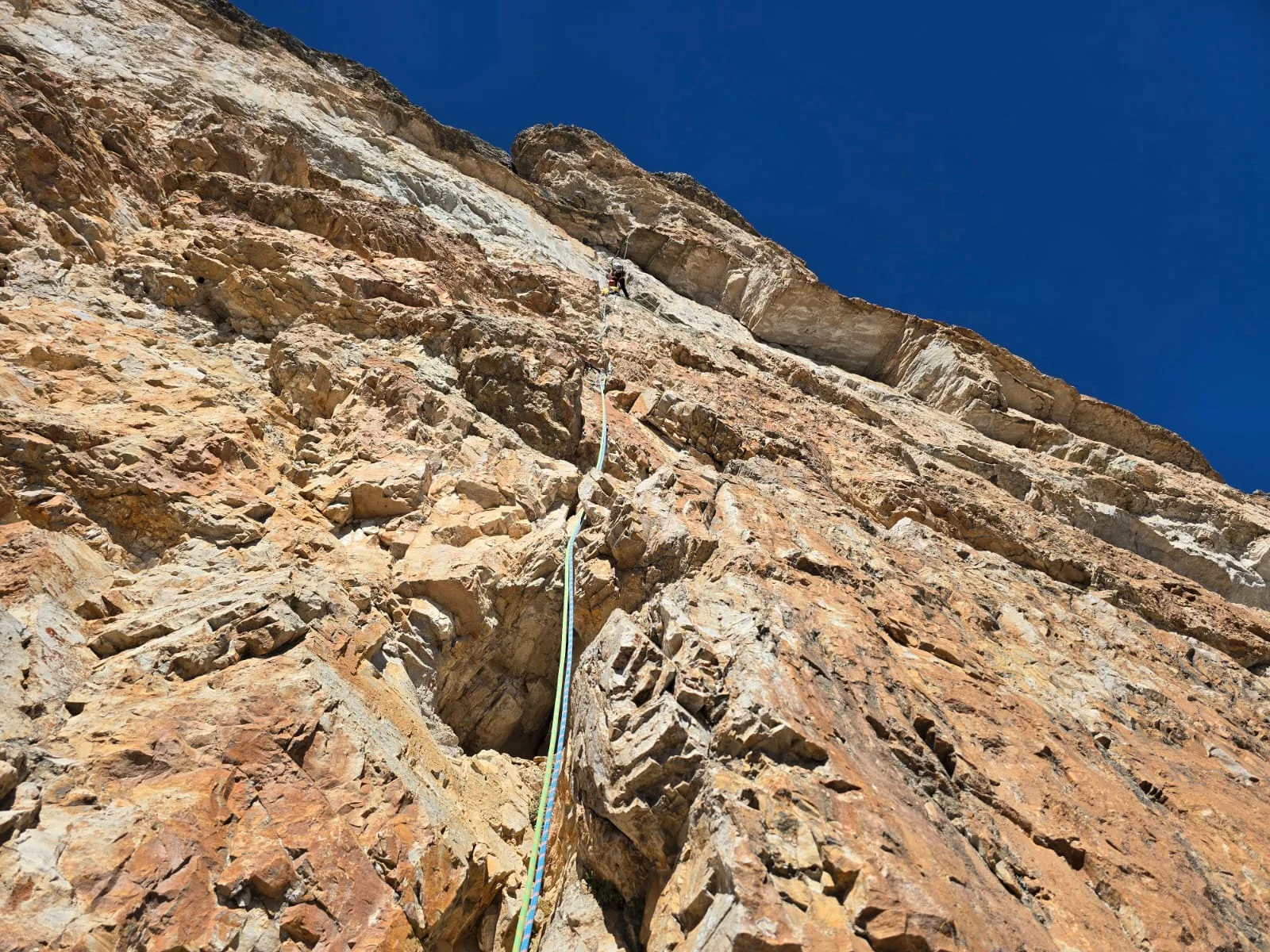
Before the second roof it got really slippery for a moment, before you could finally reach for the colourful slings again. Once you’ve overcome this obstacle too, you reach a small bivy ledge with a truly beautiful panorama. A good place to catch your breath – because next up was a section the route descriptions rather unflatteringly announce as an awkward chimney: the “Mule’s Back”.
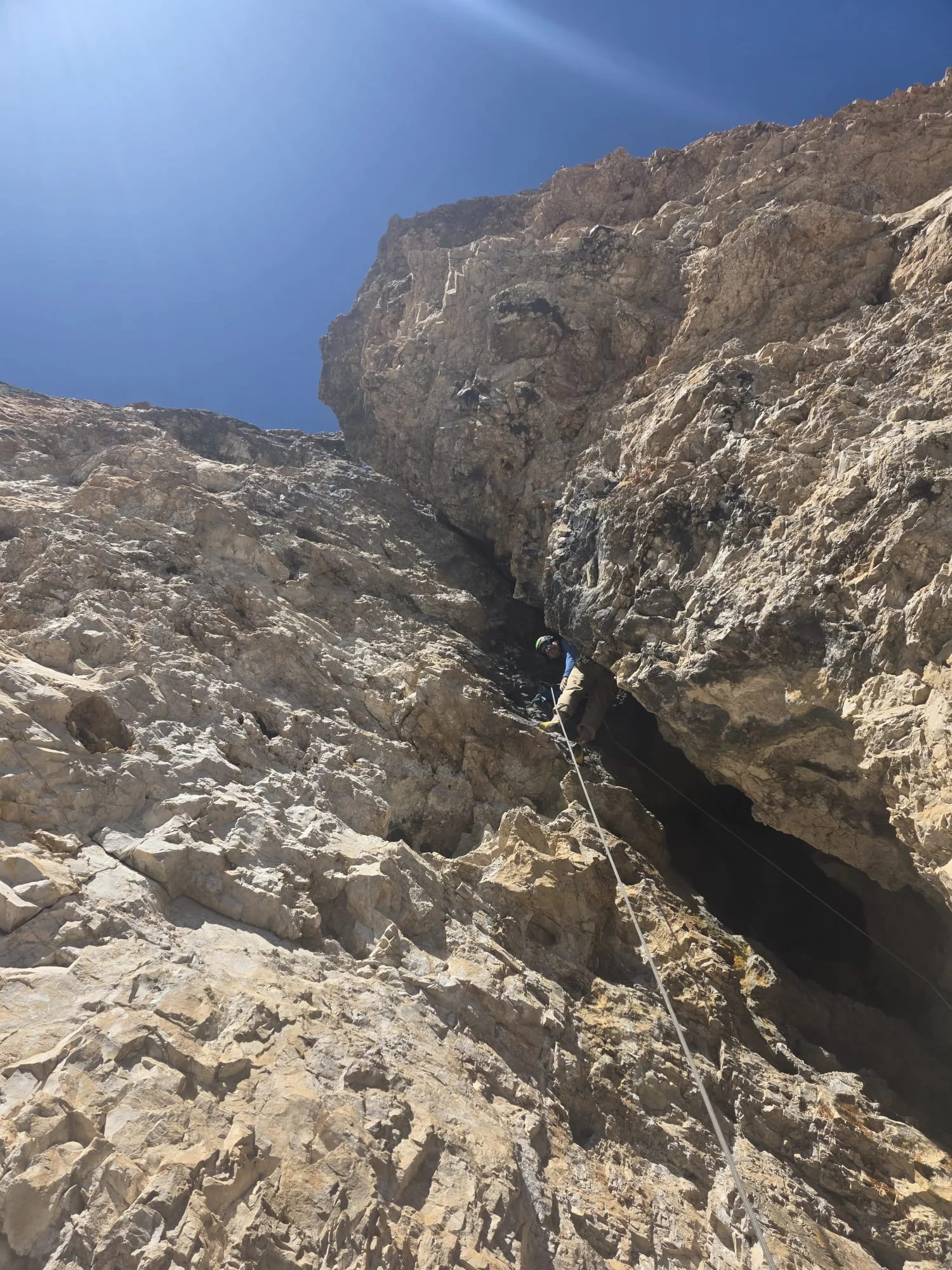
In fact, the moves went much better than expected. A good bit of bridging towards the top – and that was done, too. After a shorter grade 4 pitch came a glorious chimney that you get to bridge up for around 50 metres. Seconding it was a real pleasure. Leading it was probably more of a battle for the next halfway decent piece of protection.
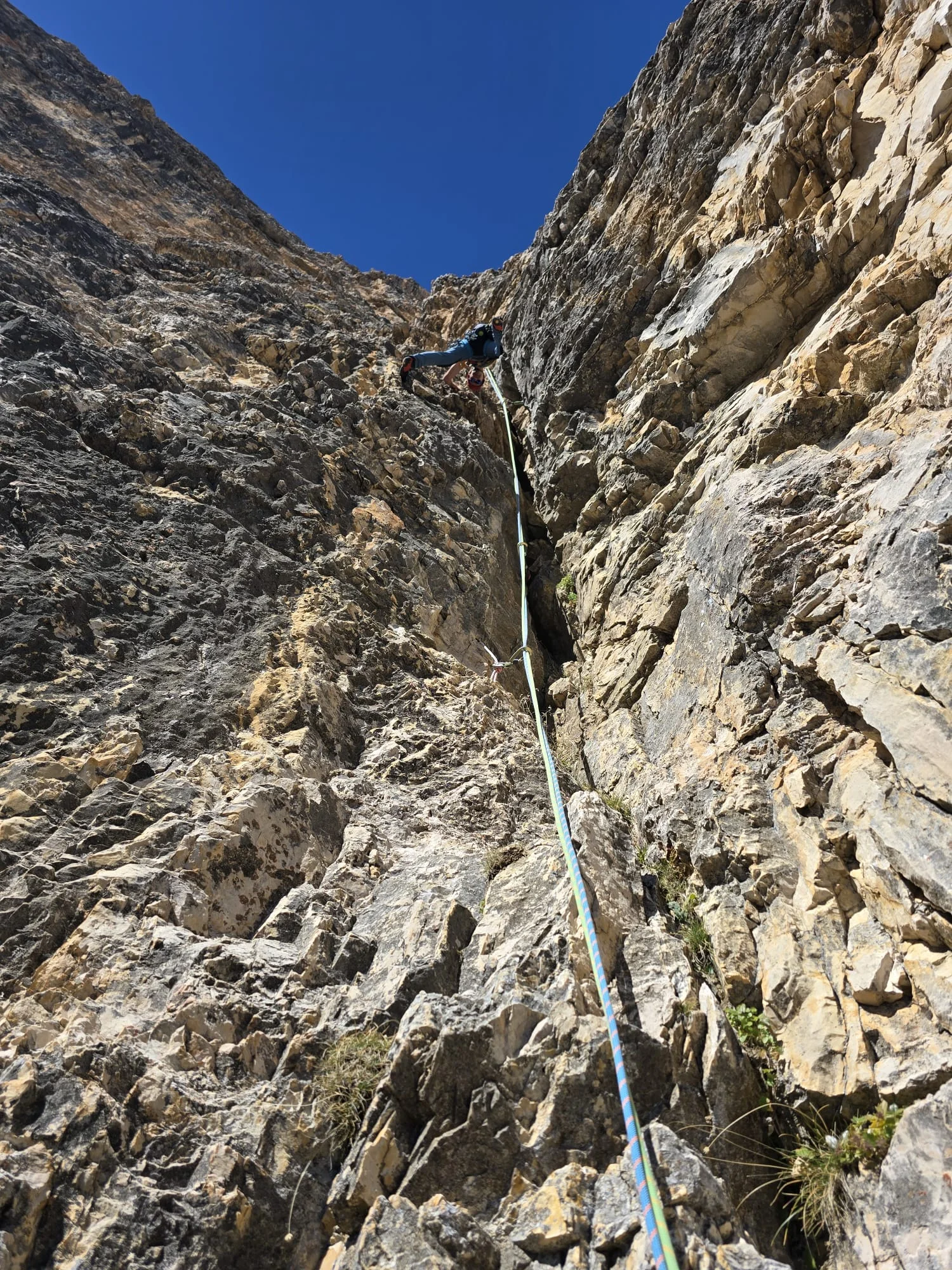
After that, things gradually got easier: another grade 4 pitch and two easier traverses. At this point, though, easy didn’t necessarily mean relaxed – they demanded full concentration from both the leader and the second. Then all that was left was the short exit pitch, described in the guidebook as grade 1 to 2 terrain. Well.
If grade 1 to 2 terrain is allowed to be this vertical, we may need to rethink our personal grading scale. To us it felt more like 3+, if not 4. Then about 20 more minutes up a scree-filled gully – and suddenly we were at the top.
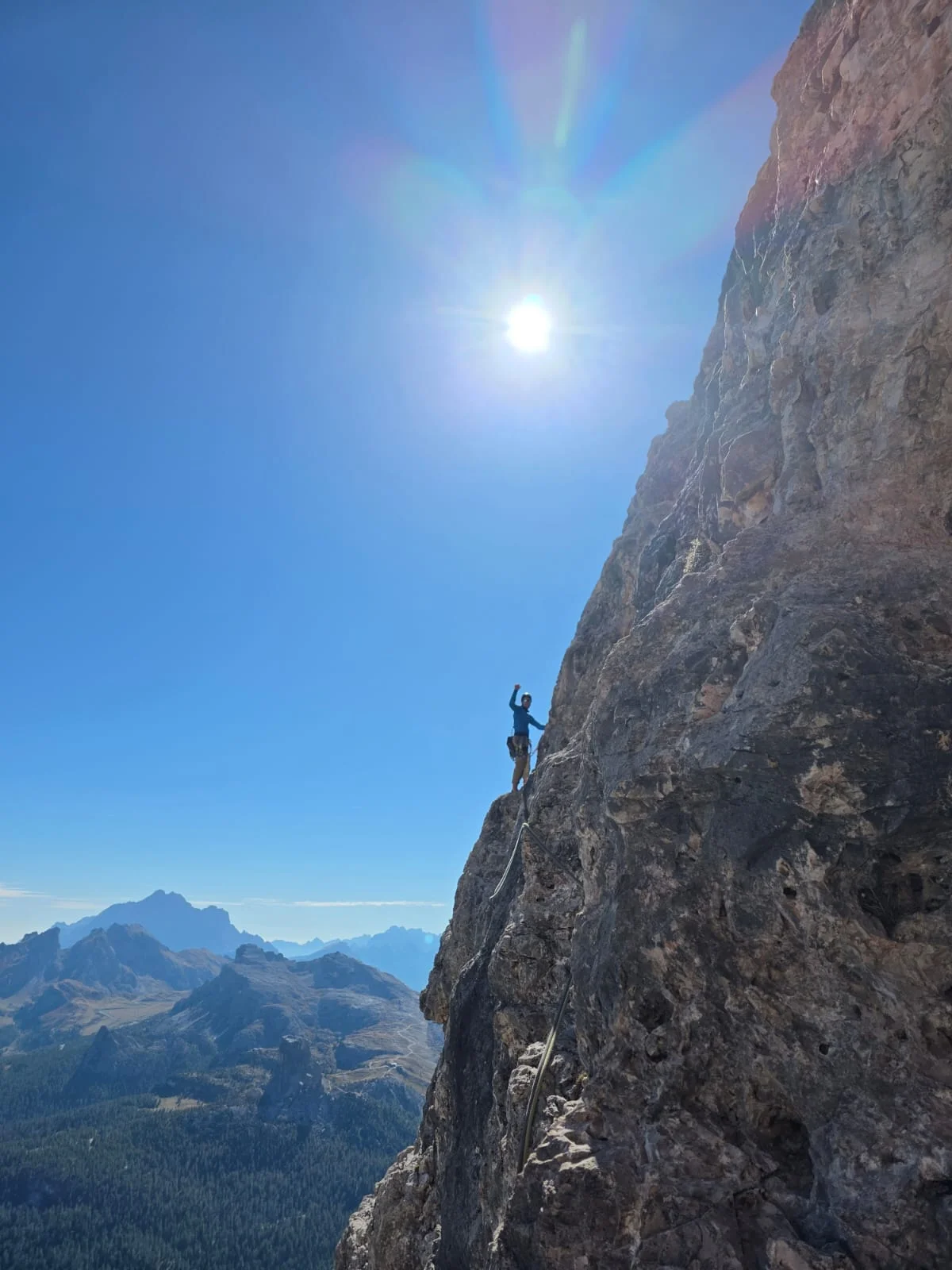
After just under seven hours we had climbed this absolute Dolomite classic. And our Swiss friends Fredy and Urs topped out shortly afterwards. On the summit we were rewarded with a spectacular view over the Tofana group and the Dolomites. After 19 pitches, polished roofs, rusty pitons, runouts, chimneys and a very reliably deployed aider, the view felt even better.
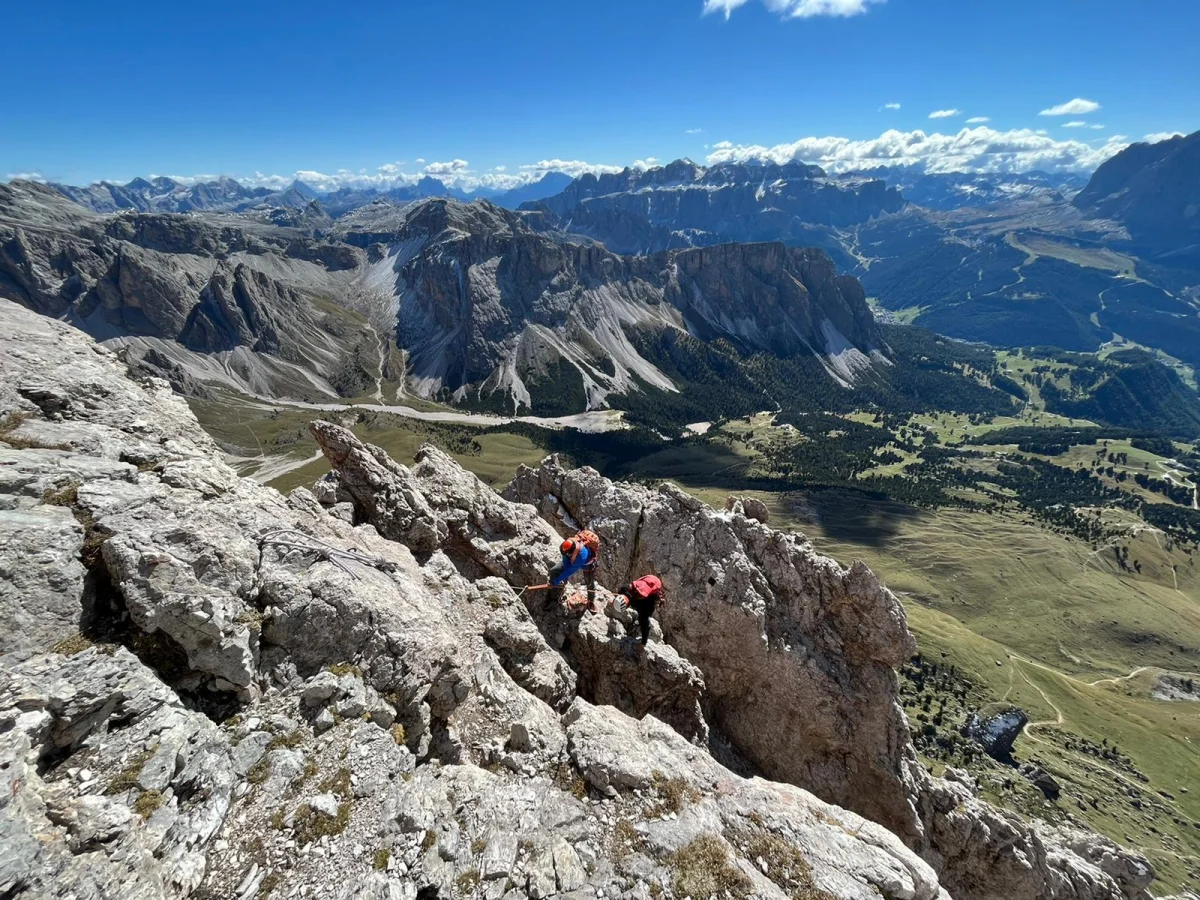
The descent via the normal route turned out, happily, to be quick and straightforward. Around an hour and a half later we were already sitting back on the terrace of the Rifugio Dibona – the massive south face in front of us, and somewhere in it that fine, elegant line we had climbed from bottom to top that day.
An absolutely successful mountain adventure – we were very happy. And as we sat there looking back up at the wall, we couldn’t help thinking about the first ascensionists once more.
Ettore Costantini and Renato Apollonio opened the route in 1944!
We can hardly imagine climbing a wall like this with the equipment of the time. No modern cams, no comfortable harnesses, no ultralight half ropes – and certainly no colourful aider dangling helpfully in front of you at the crucial moment. The two of them must have been fearless climbers. A truly outstanding achievement – and, after this day at the latest, a whole new level of respect for the pioneers who made lines like this possible in the first place.
Photos from the tour