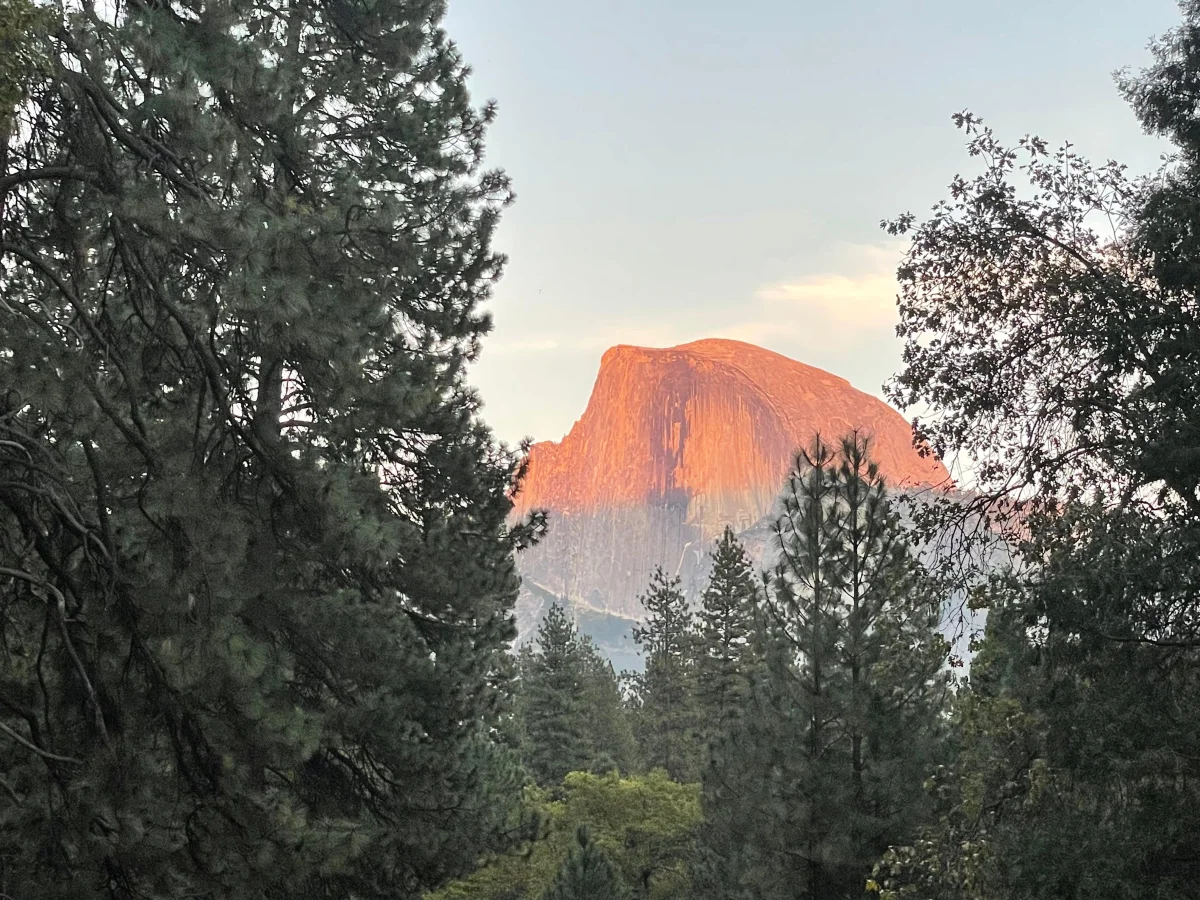
Half Dome – Regular Northwest Face
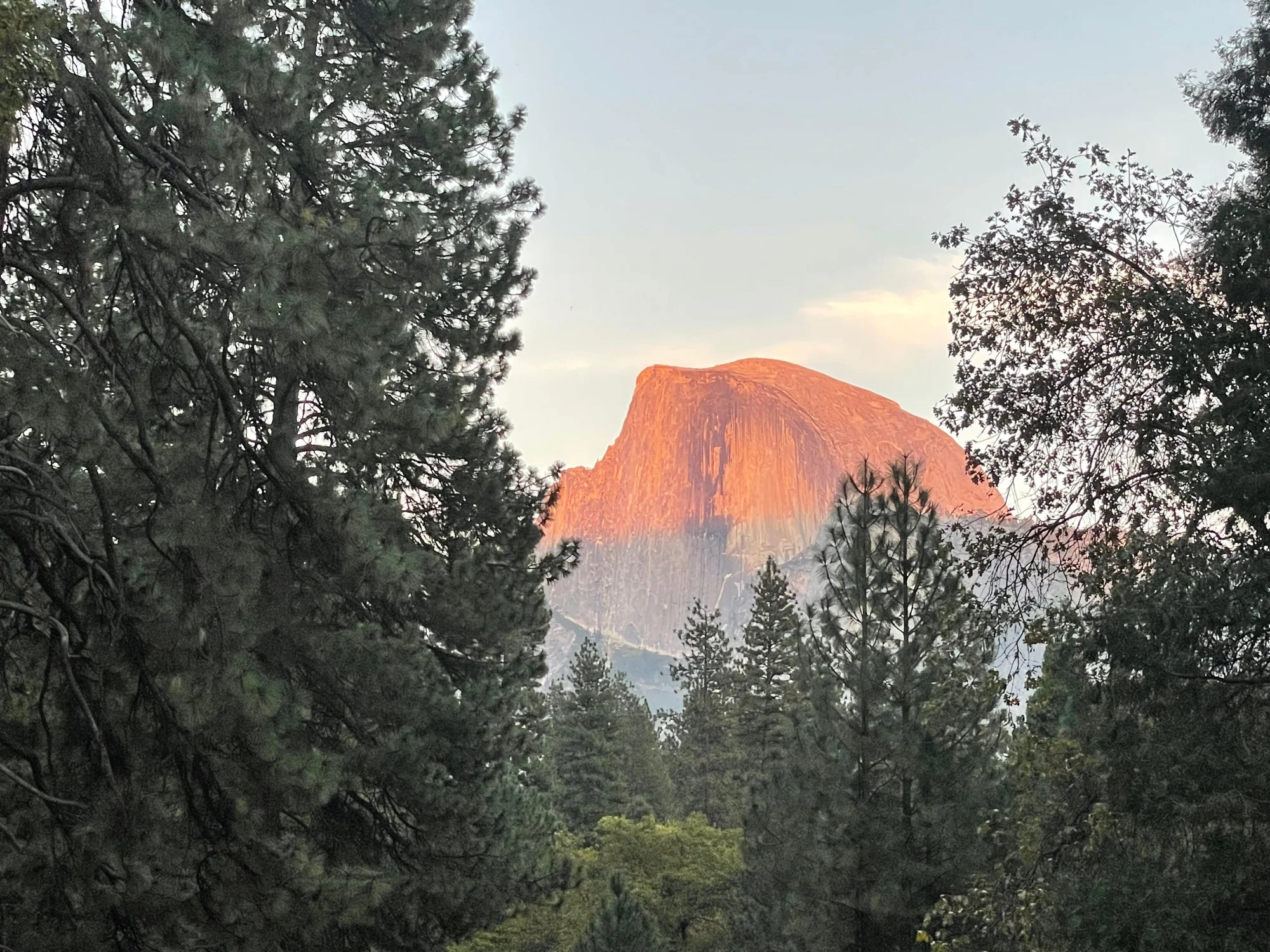
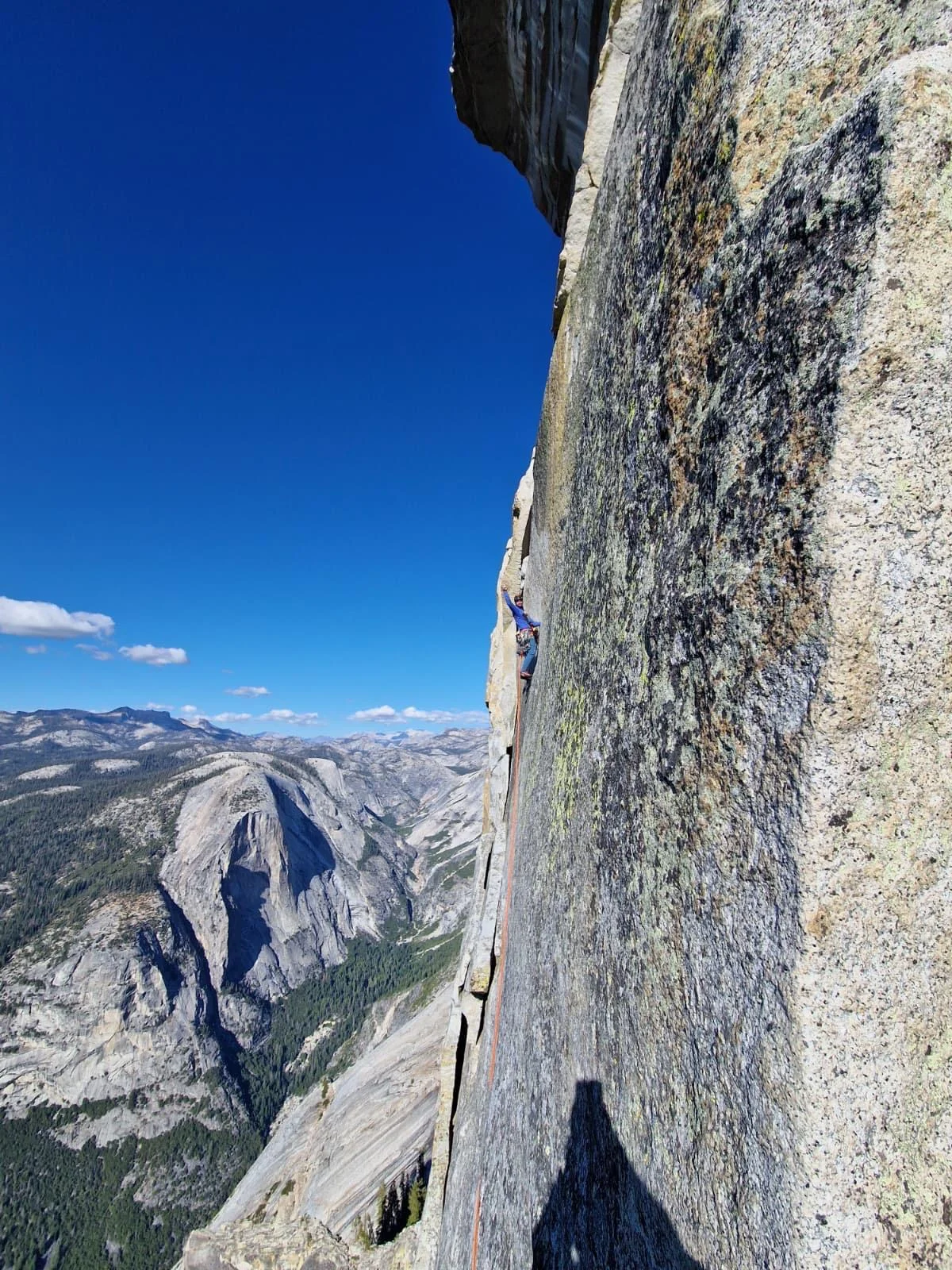
In October 2025 I climbed the Regular Northwest Face of Half Dome in Yosemite Valley with my good friend Clemens.
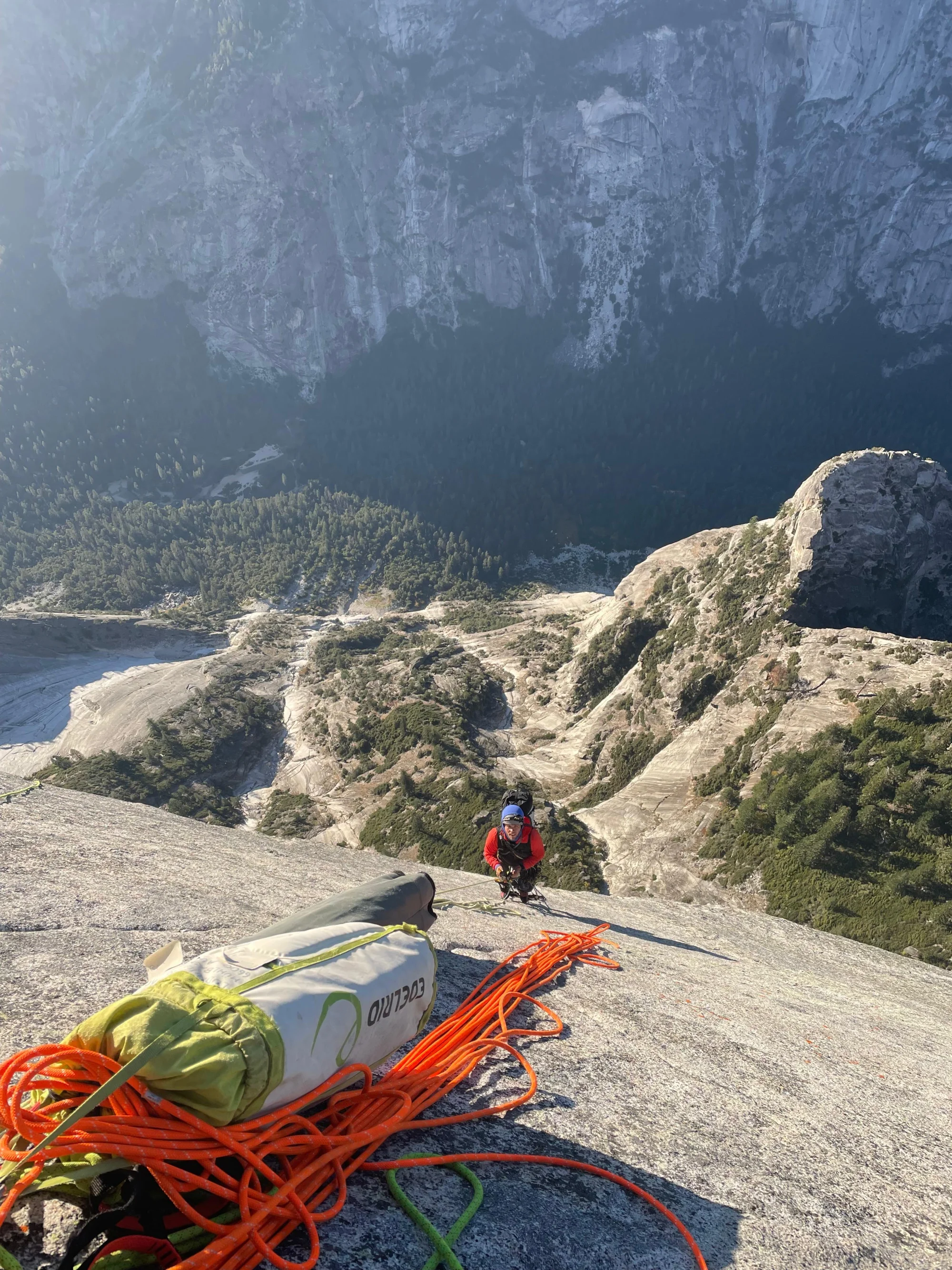
We climbed the route “slow and heavy”: instead of doing it in a day, we treated ourselves to a night on the portaledge. Here is a short description of how we tackled the route and what we took with us.
Day 1: A long but very beautiful approach via the John Muir Trail and the south side of Half Dome to the base of the wall. We deliberately decided against climbing the rockfall-prone Death Slabs with a heavy haul bag and portaledge. The long but relaxed approach over the south side seemed the better choice. At the base there was a spring and some nice bivy spots.
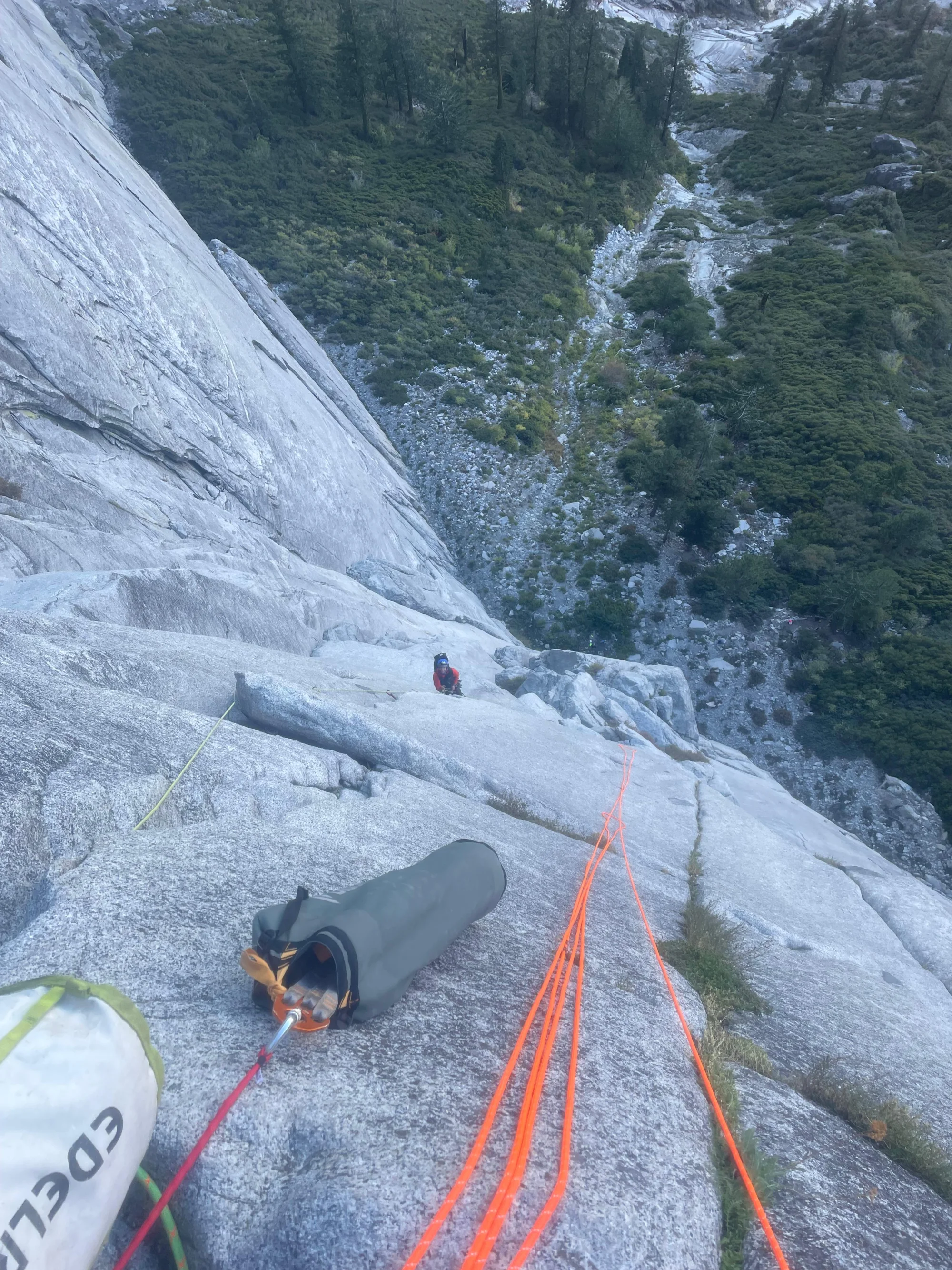
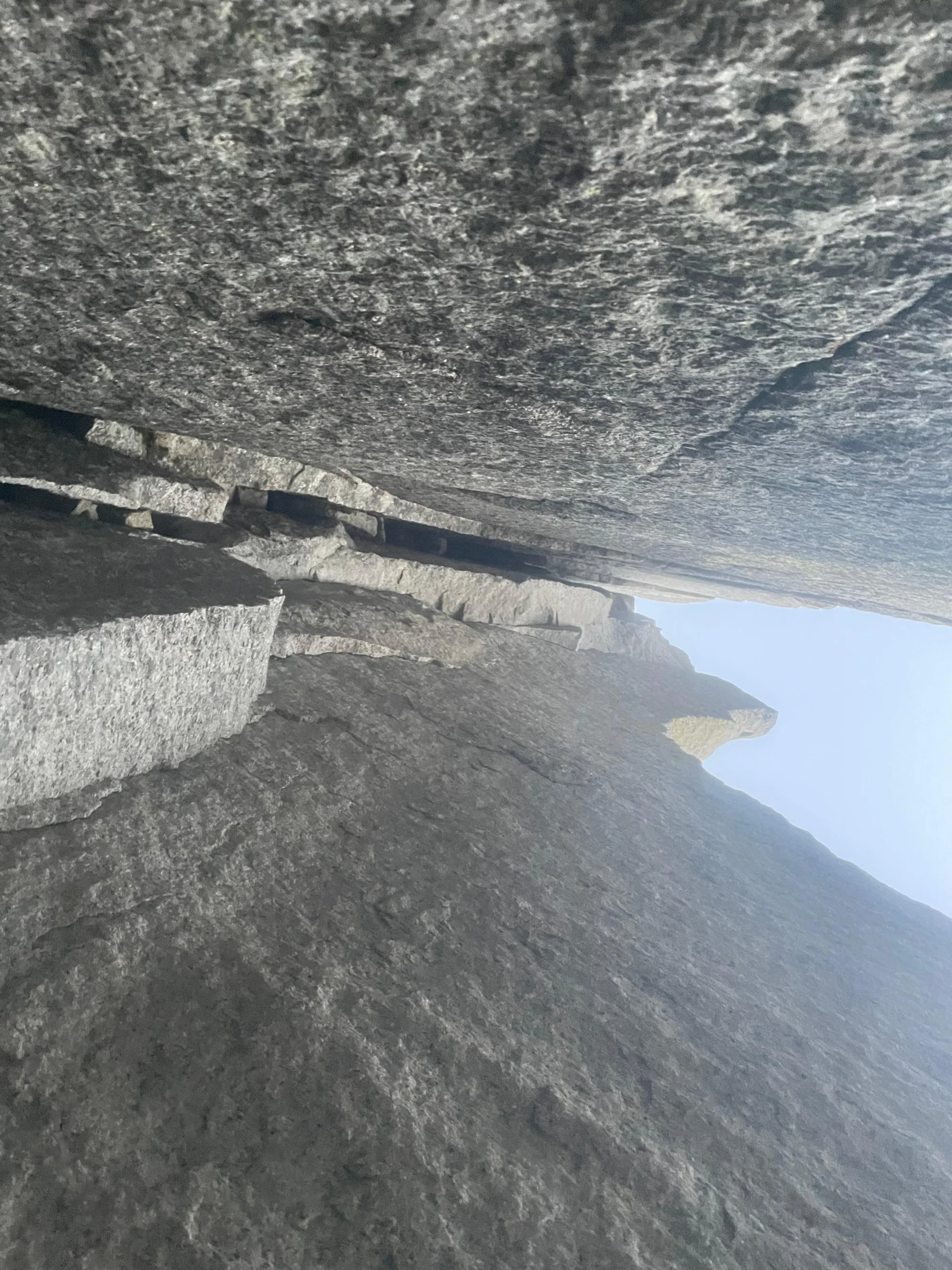
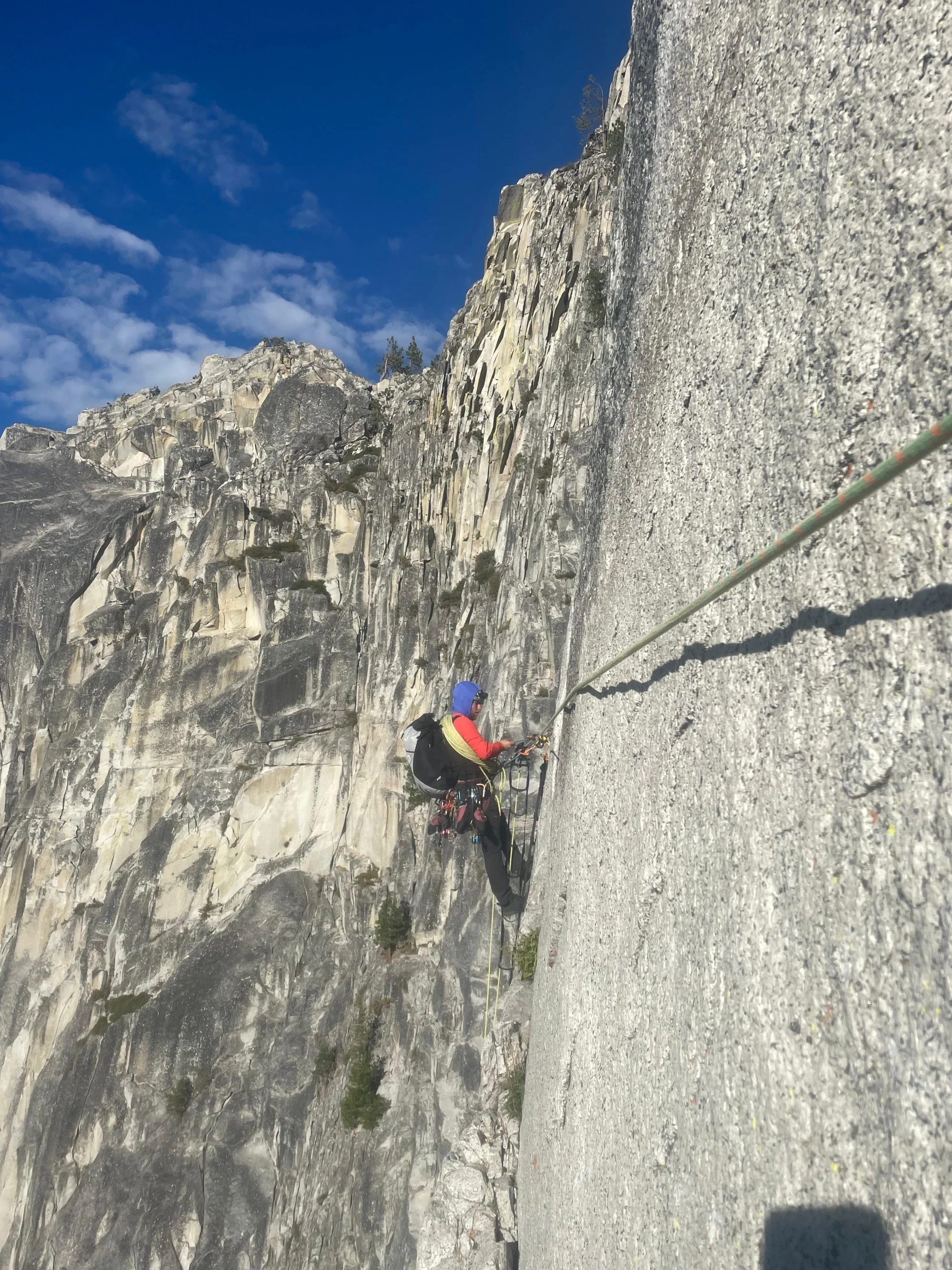
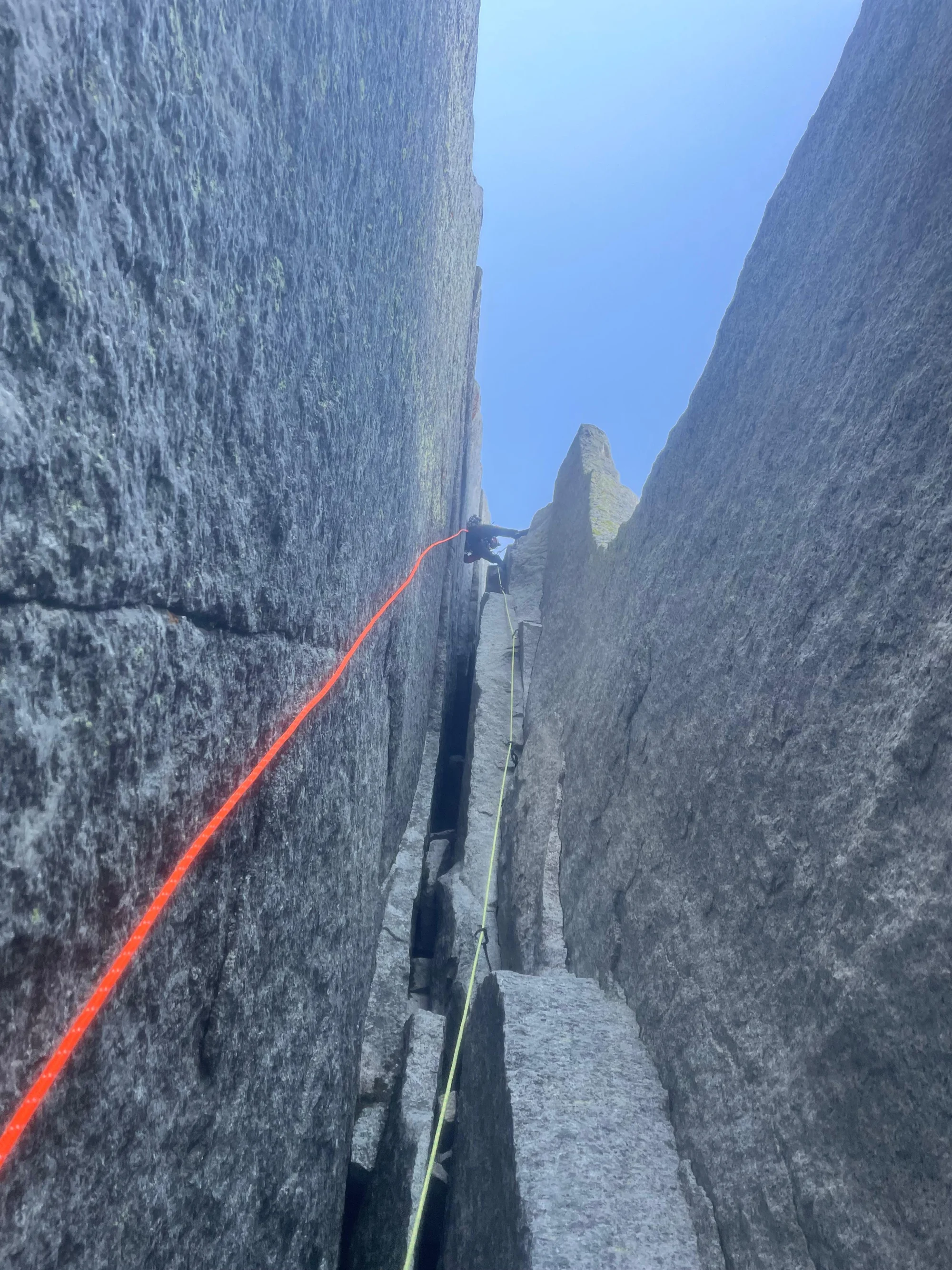
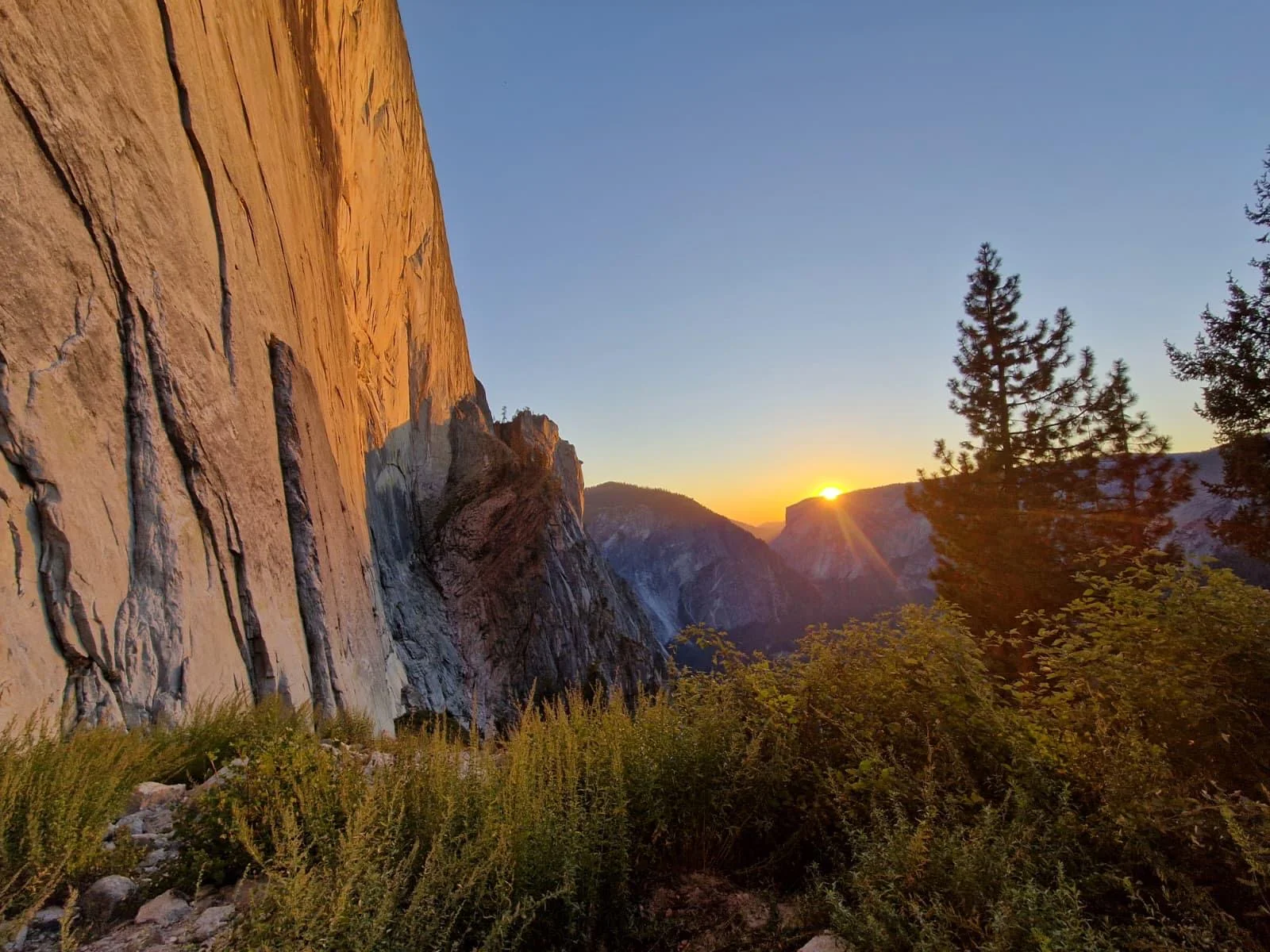
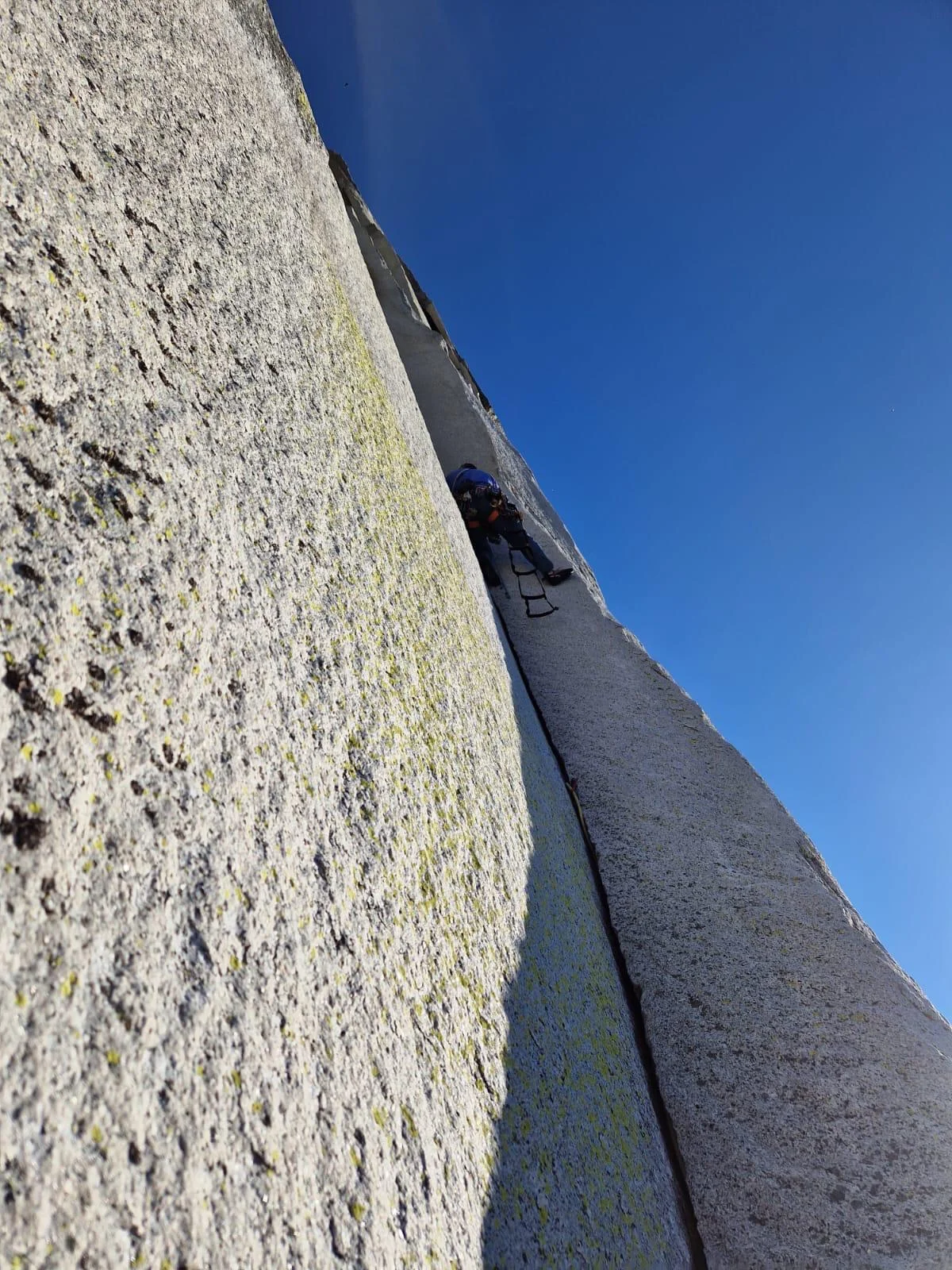
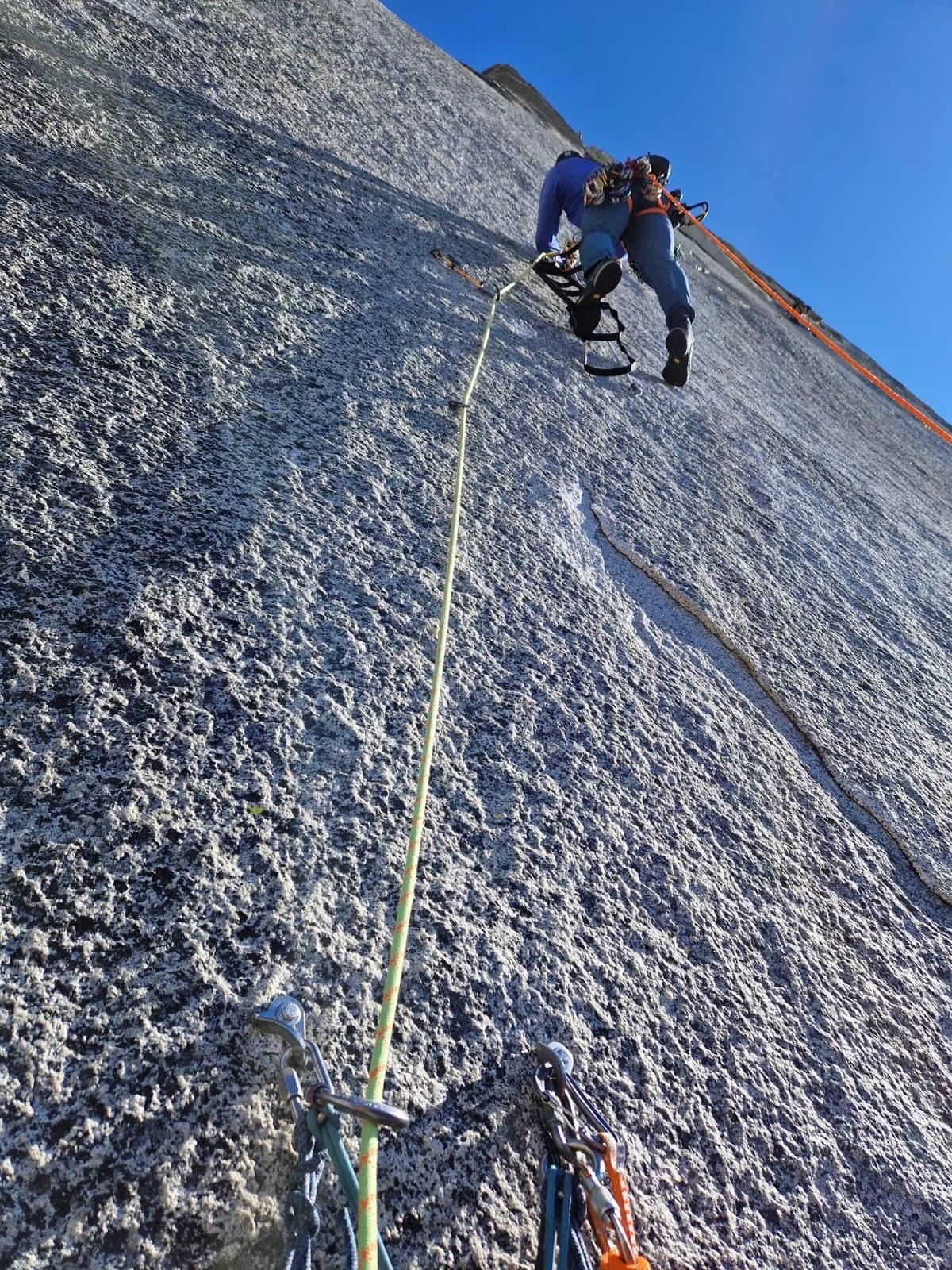
Day 2: Don’t underestimate the first five pitches, even though you are “only” on the less steep part of the wall. Once you have crossed the gully and reached the steeper section, the climbing becomes very aid-heavy. After pitch 15 you reach the start of the big chimney. Contrary to many topos, you no longer need a knotted sling to pendulum here – a new bolt ladder leads straight to the start of the chimney.
This is where we set up the portaledge and spent the night. If other parties are still higher up in the chimney or climbing it, though, I wouldn’t set up the portaledge here, but carry on to the end of the chimney – or one or two pitches before it. For us, however, it was the perfect spot.
Day 3: The second pitch of the chimney (5.7 – a squeeze chimney) is the free-climbing crux of the route and is not particularly easy to protect. After that come some great pitches, but you have to watch that the haul bag doesn’t get stuck. On the last pitch before Big Sandy Ledge there is a blue sling at the end. Do not follow it; instead, climb a crack further right onto Big Sandy Ledge.
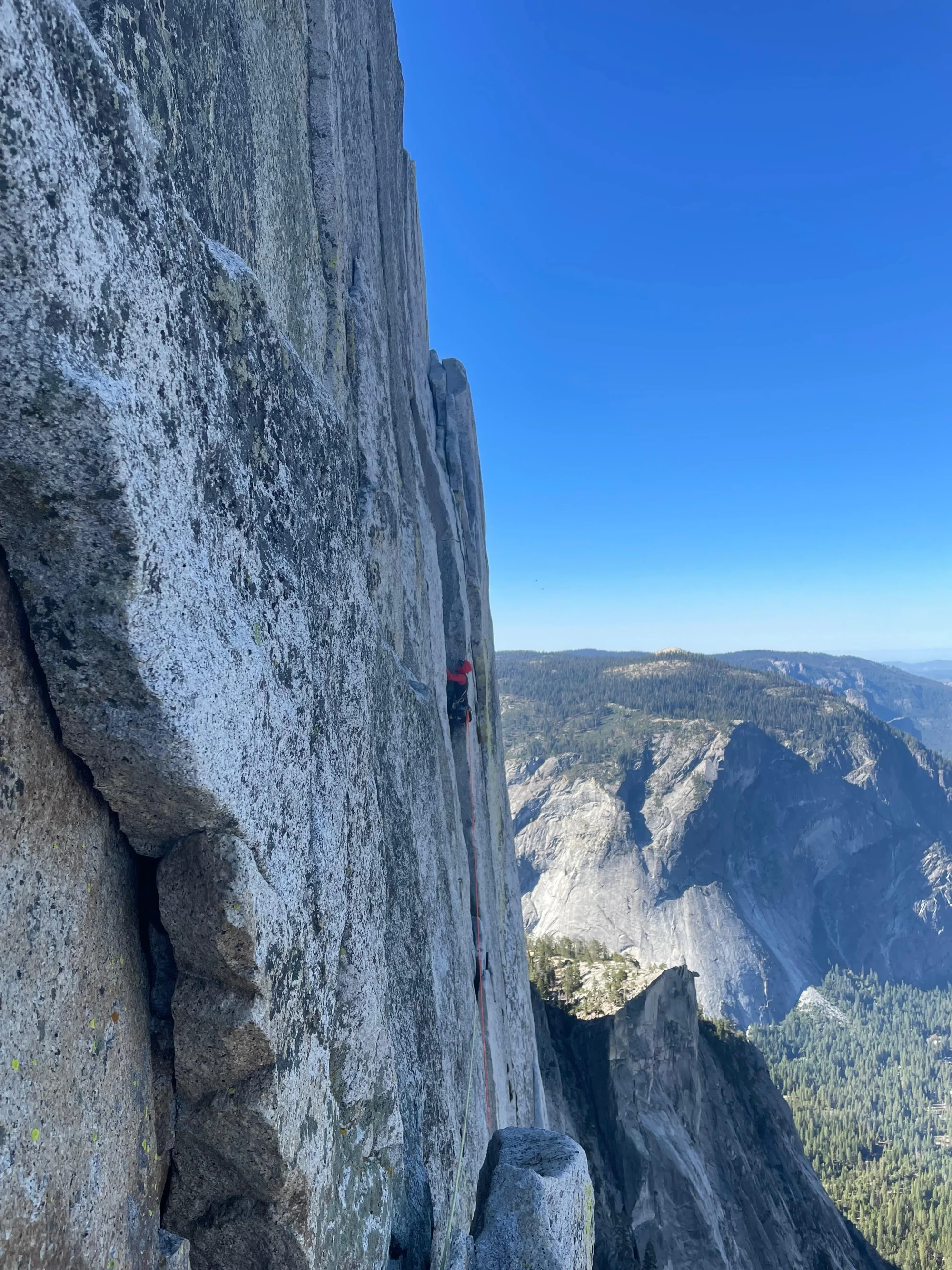
The Zig-Zag Cracks that follow aid well. The two pitches took us a good two hours in total. The grand finale is the famous Thank God Ledge and the two exit pitches. Here we extended the haul line with the rest of the lead rope so we could lower the haul bag out cleanly.
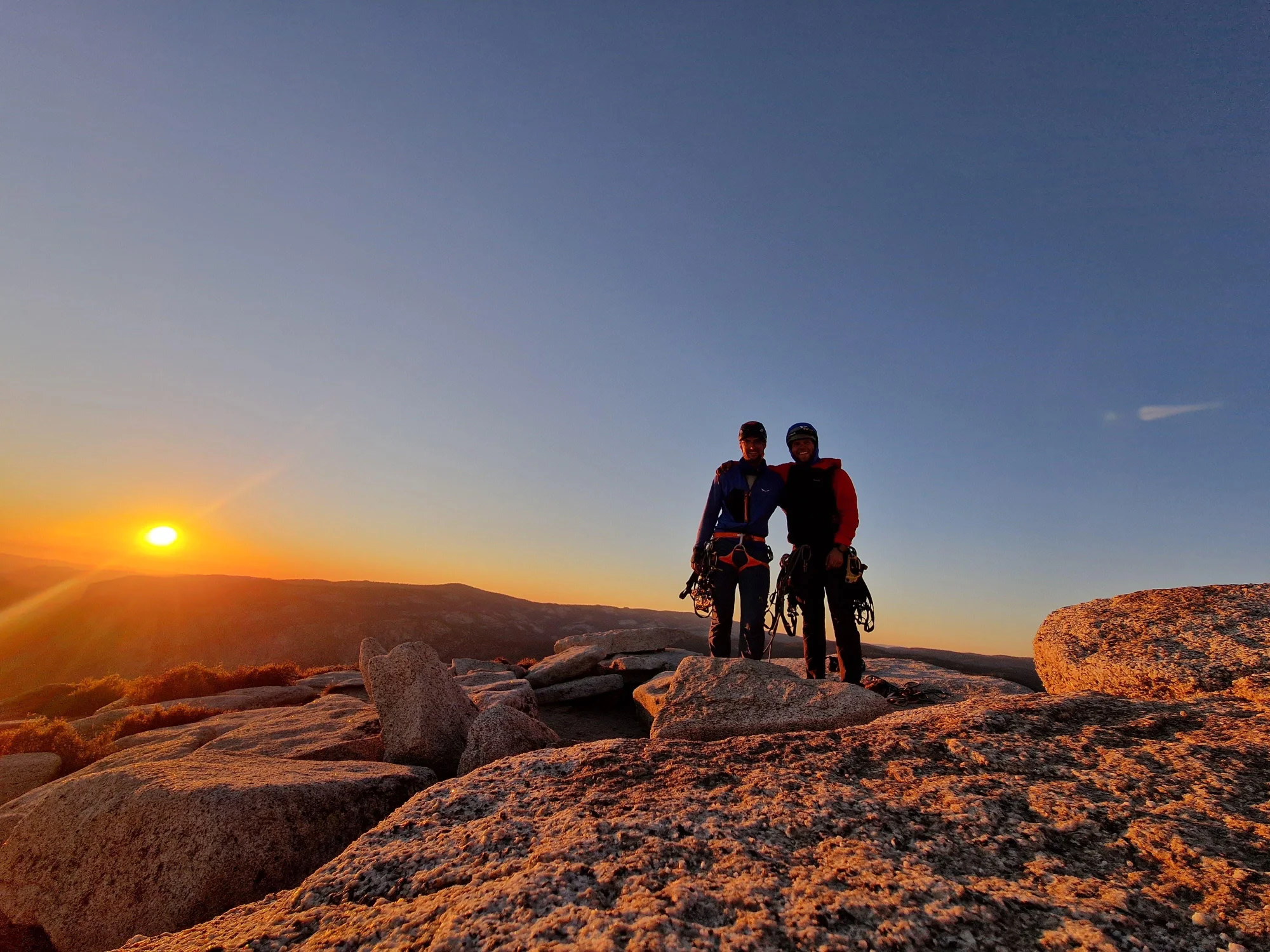
In the late afternoon we finally stood on the summit, where we spent a wonderful night bivouacking on top of Half Dome.
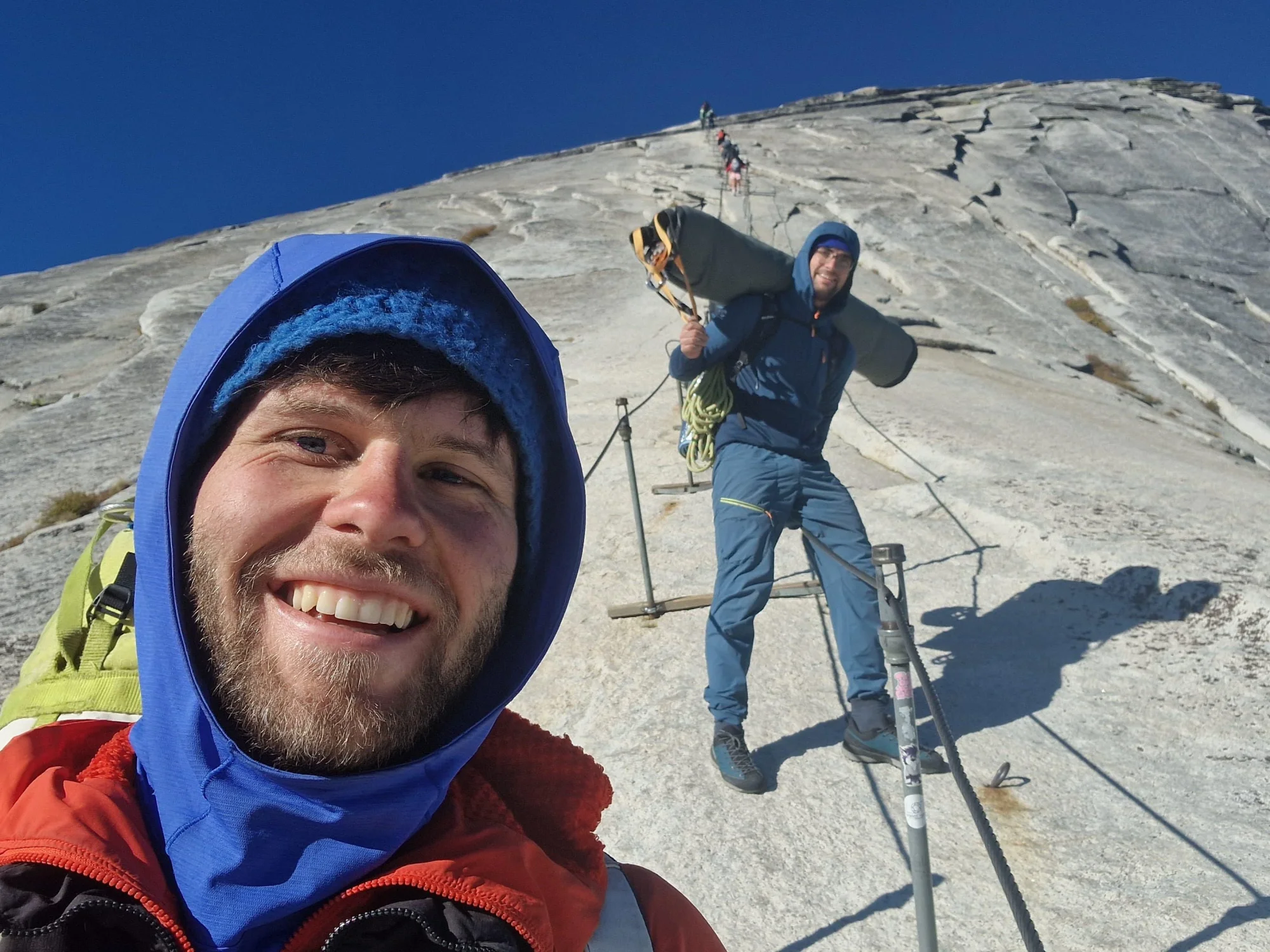
Day 4: Descent back to the valley via the “Cables”.
Gear:
1× 70 m single rope (Mammut Core Protect)
1× Petzl static rope (8 mm)
3 sets of cams, 0.5 to 3 (BD)
4 sets of Totems (black to purple)
2× BD #4
1× BD #5
Offset nuts
3× BD offset cams
2× sleeping mats
2× sleeping bags
16 litres of water
It was one of the most beautiful climbs I have ever done, and it will stay with me for a long time. I’m sure we’ll be back in the Valley one day.
Photos from the tour